
Key Advantages of Using Automatic Ready-Mix Stationary Concrete Bats in Large Projects
Release time:
Nov 25,2025
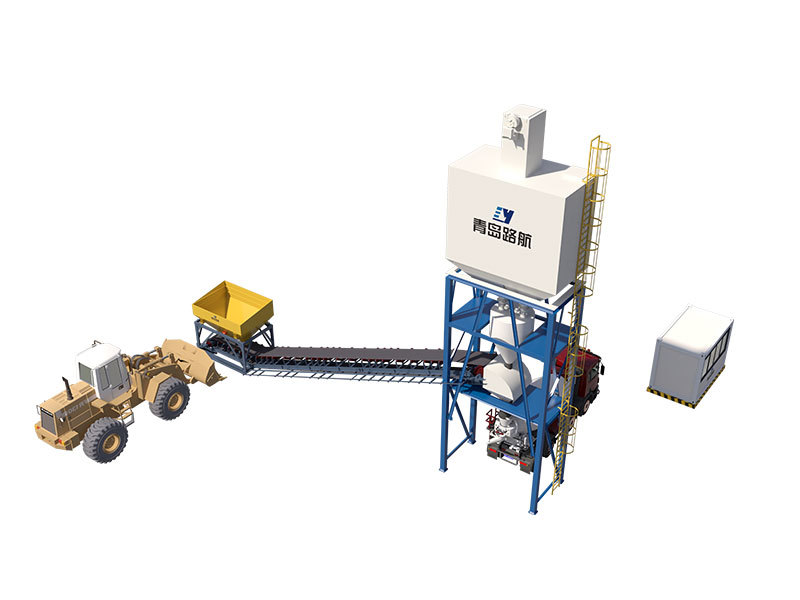
Key Advantages of Using Automatic Ready-Mix Stationary Concrete Bats in Large Projects Introduction to Automatic Ready-Mix Stationary Concrete Bats In the ever-evolving landscape of construction, the demand for **high-quality concrete** solutions has never been greater. Automatic ready-mix stationary concrete bats have emerged as a **game-changer** for large-scale projects. These systems strea

Key Advantages of Using Automatic Ready-Mix Stationary Concrete Bats in Large Projects
Introduction to Automatic Ready-Mix Stationary Concrete Bats
In the ever-evolving landscape of construction, the demand for **high-quality concrete** solutions has never been greater. Automatic ready-mix stationary concrete bats have emerged as a **game-changer** for large-scale projects. These systems streamline the concrete production process, enhancing efficiency while maintaining superior quality.
With an increasing number of construction projects requiring rapid completion and reduced operational costs, understanding the benefits of these advanced mixing technologies is essential. This article explores the key advantages of utilizing automatic ready-mix stationary concrete bats in large projects, helping industry professionals make informed decisions.
1. Enhanced Efficiency and Productivity
1.1 Streamlined Operations
Automatic ready-mix stationary concrete bats are designed to optimize the concrete mixing process. By automating key functions, these systems significantly reduce the time required for concrete production. The **automated batching process** ensures precise measurement of ingredients, minimizing human error and allowing for consistent quality control.
1.2 Increased Output Capacity
One of the most significant advantages of using automatic systems is the **increase in output capacity**. These bats can produce large volumes of concrete in a shorter timeframe. This capability is crucial for large projects where deadlines are tight, allowing contractors to maintain schedules without compromising quality.
2. Cost-Effectiveness Over Time
2.1 Reduced Labor Costs
Manual mixing requires a significant workforce, which can escalate labor costs. By implementing automatic ready-mix stationary concrete bats, companies can **dramatically decrease labor needs**. Fewer workers are required for mixing operations, allowing resources to be allocated to other critical areas of the project.
2.2 Lower Material Waste
These systems are designed for precision, which translates to reduced material waste. By using exact measurements and minimizing overproduction, projects can save on raw material costs, leading to a more sustainable operation. This efficiency not only impacts the budget positively but also contributes to environmentally friendly practices.
3. Consistency in Quality Control
3.1 Uniform Mixture Quality
Consistency is key in construction, and automatic ready-mix stationary concrete bats excel in delivering uniform mixture quality. By following programmed specifications, these systems ensure that each batch meets the required standards, reducing the likelihood of defects and enhancing the durability of the final product.
3.2 Real-Time Monitoring and Adjustments
Modern automatic concrete bats are equipped with advanced monitoring technologies that allow operators to track the mixing process in real-time. This capability enables immediate adjustments to ingredient ratios based on environmental conditions or specific requirements, further ensuring consistent quality.
4. Advanced Technology Integration
4.1 Smart Technology Features
Many automatic ready-mix stationary concrete bats come equipped with smart technology features. These include sensors and automated feedback systems that monitor the mixing process, providing data insights that can enhance operational efficiency.
4.2 Remote Control and Monitoring
The integration of remote control capabilities in modern concrete bats allows operators to manage the mixing process from afar. This technology not only enhances convenience but also improves safety by reducing the need for personnel to be present in potentially hazardous areas.
5. Adaptability for Diverse Project Requirements
5.1 Customizable Mixing Options
Automatic ready-mix stationary concrete bats can be tailored to meet various project specifications. Whether it’s adjusting the concrete's strength, consistency, or curing time, these systems can be programmed to deliver the exact requirements of any project.
5.2 Scalability for Large Projects
As project demands fluctuate, so too can the operations of automatic concrete bats. These systems allow for easy scalability, meaning they can handle increased production needs during peak project phases without significant downtime or reconfiguration.
6. Improved Safety Standards
6.1 Minimized Worker Exposure
The automation of concrete mixing reduces the need for workers to be exposed to hazardous conditions associated with manual mixing. This not only enhances overall safety but also aligns with workplace regulations aimed at protecting employee health.
6.2 Enhanced Equipment Safety Features
Many modern automatic concrete bats are designed with advanced safety features, including automatic shut-off mechanisms and emergency stop buttons. These features help ensure that operations can be halted immediately in the event of an emergency, further enhancing worker safety.
7. Environmental Benefits
7.1 Reduced Carbon Footprint
By improving efficiency and reducing material waste, automatic ready-mix stationary concrete bats contribute to a lower carbon footprint. The ability to produce concrete with less energy and fewer resources aligns with global sustainability efforts, making these systems an environmentally responsible choice.
7.2 Sustainable Construction Practices
As construction companies increasingly prioritize sustainability, using advanced mixing technologies supports the development of eco-friendly projects. Enhanced efficiency and reduced waste lead to more sustainable construction practices, appealing to environmentally-conscious investors and clients.
8. Conclusion: The Future of Concrete Production in Large Projects
The **key advantages of using automatic ready-mix stationary concrete bats** in large projects are transformative. From enhanced efficiency and cost-effectiveness to improved safety and environmental benefits, these systems represent a significant leap forward in concrete production technology. As the construction industry continues to evolve, embracing automation and advanced technology will be essential for meeting the demands of modern projects.
By leveraging the benefits outlined in this article, construction professionals can ensure they remain competitive in a rapidly changing landscape. The investment in automatic ready-mix stationary concrete bats is not just a choice; it is a strategic move towards achieving excellence in large-scale construction projects.
Frequently Asked Questions (FAQs)
1. What is an automatic ready-mix stationary concrete bat?
An automatic ready-mix stationary concrete bat is a system designed for the efficient mixing of concrete, utilizing automated processes to ensure precision and consistency in the production of concrete for large projects.
2. How does automation improve concrete mixing?
Automation enhances concrete mixing by minimizing human error, allowing for precise ingredient measurements, and optimizing production speed, which results in higher quality concrete.
3. Are automatic concrete bats cost-effective?
Yes, while the initial investment may be higher, automatic concrete bats reduce labor costs, minimize material waste, and enhance overall efficiency, leading to significant long-term savings.
4. What safety features are included in automatic concrete bats?
Many automatic concrete bats come with safety features like emergency stop buttons, automatic shut-off systems, and remote operation capabilities to minimize worker exposure to hazards.
5. How do automatic concrete bats contribute to sustainability?
These systems lower energy consumption and material waste, which helps reduce the carbon footprint of construction projects, supporting environmentally friendly practices and sustainable development.
Key words:

Message
* Note: Please be sure to fill in the information accurately and keep communication open, we will get in touch with you as soon as possible